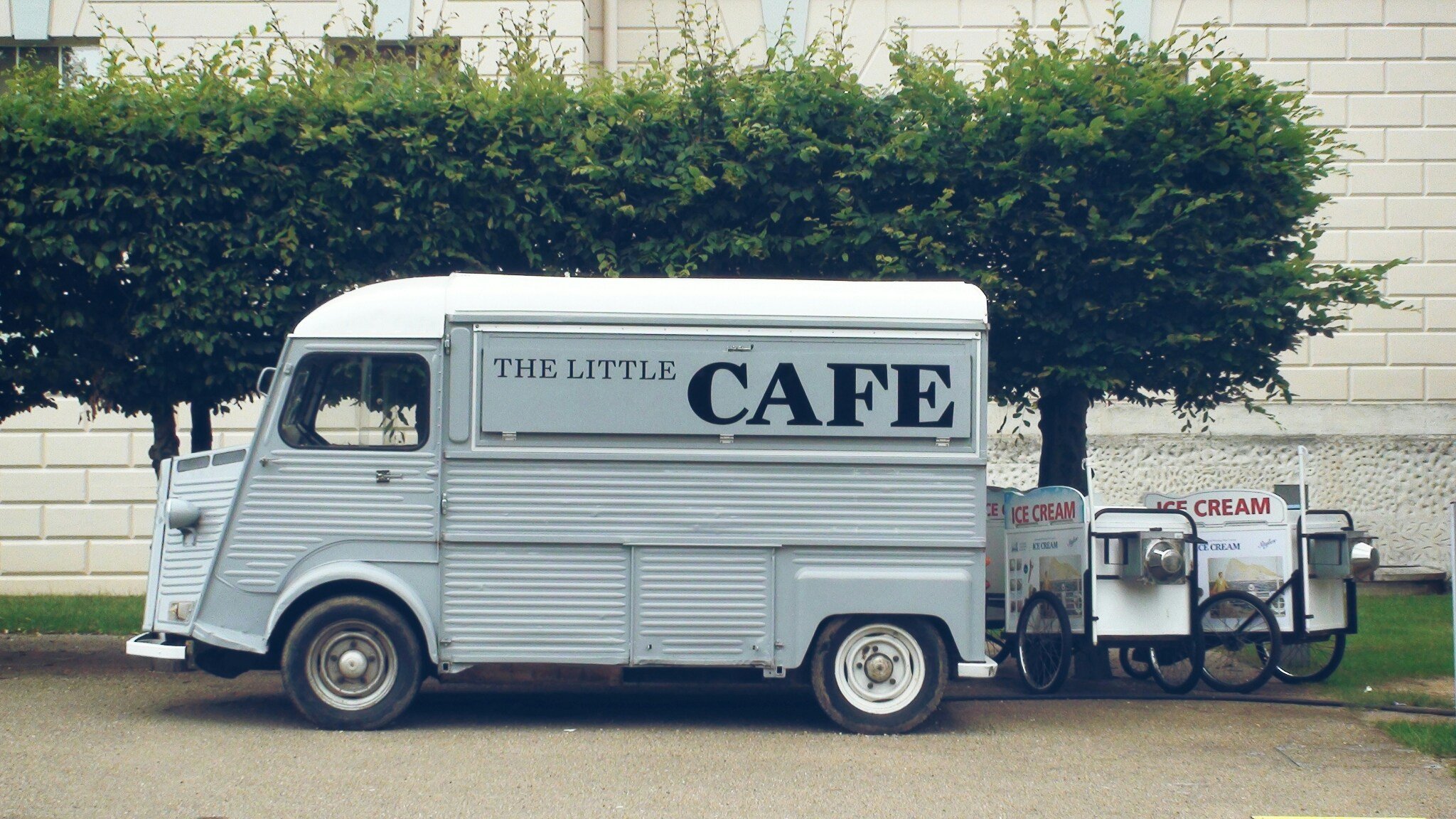
Photo by Filip Sablatura on Unsplash
Sponsored by:

Hello Food Entrepreneurs!
If you love food as much as I do, I’m sure you’ve considered quitting your 9-5 and going all-in on your latest food related business idea.
While I’d never stop you from pursuing your career dreams, I’d advise you to consider starting your business as a side hustle alongside your day job.
This will allow you to test the waters a bit, get the business right (and profitable) before taking the plunge full-time.
Why Start a Food-Related Side Hustle?
Here is a quick overview of all 15 food side hustles ranked by startup cost so you can find the right fit for your budget before diving into the details:
15 Food Side Hustles: At a Glance
Updated March 2026. Ranked by startup cost from lowest to highest.
| # | Side Hustle | Startup Cost | Annual Revenue Potential | Best For |
|---|---|---|---|---|
| 1 | Fake Wishbones | $500 – $2,000 | $10,000 – $25,000 | Creative entrepreneurs who love niche holiday markets |
| 2 | Candied Fruit | $500 – $2,000 | $10,000 – $30,000 (seasonal) | Vendors who love fairs and farmers markets |
| 3 | Holiday Cookie Delivery | $500 – $3,000 | $15,000 – $45,000 (seasonal) | Bakers who want a focused seasonal income boost |
| 4 | Personal Chef Services | $500 – $5,000 | $30,000 – $100,000 | Skilled cooks who want premium clients |
| 5 | Farmers Market Vendor | $1,000 – $5,000 | $10,000 – $30,000 (part-time) | Home producers with local community ties |
| 6 | Cooking Classes | $1,000 – $5,000 | $50,000 – $150,000 | Experienced cooks who enjoy teaching |
| 7 | Edible Cookie Dough | $1,000 – $5,000 | $20,000 – $50,000 | Creative bakers who love niche markets |
| 8 | Gourmet Pet Treats | $1,000 – $5,000 | $20,000 – $50,000 | Pet lovers with a passion for quality ingredients |
| 9 | Home-Based Bakery | $2,000 – $10,000 | $20,000 – $60,000 | Bakers who want to start from home |
| 10 | Ice Cream Cart | $2,000 – $10,000 | $30,000 – $60,000 (seasonal) | Summer side hustlers near parks or events |
| 11 | Catering Services | $5,000 – $20,000 | $50,000 – $200,000 | Experienced cooks who love events |
| 12 | Food Subscription Boxes | $5,000 – $20,000 | $50,000 – $150,000 | Creators who want recurring revenue |
| 13 | Specialty Coffee Shop | $10,000 – $50,000 | $100,000 – $300,000 | Coffee lovers with a prime location |
| 14 | Meal Kits | $10,000 – $50,000 | $100,000 – $300,000 | Organized cooks with supply chain knowledge |
| 15 | Food Truck | $50,000 – $100,000 | $250,000 – $500,000 | Serious food entrepreneurs ready to commit |
*Revenue figures represent realistic annual potential for an active side hustle. Results vary based on location, effort, and market demand. Higher investment options like food trucks and meal kits are better suited as full business ventures than pure side hustles.
Food is one of the most reliable side hustle categories because everyone eats — demand never goes away.
According to Statista, food delivery alone is expected to grow ~12.4% revenue-wise in 2026. Plus, user penetration is only at 28.4%, meaning this is a ripe area for growth. This growth is a clear indicator of the increasing demand for convenient, quality food services.
Beyond delivery, food side hustles offer four things that are hard to find elsewhere: high demand (food is a universal need), flexibility (many food businesses set their own hours), creativity (you get to experiment with recipes and concepts), and community (food businesses naturally connect you with the people around you).
The 15 hustles below range from under $500 to start all the way up to $100,000 for a full food truck. Pick the one that fits your budget and schedule — and remember, even the biggest ones on this list started small.
Related articles to side hustles:
Top 15 Food-Related Side Hustles
There are countless ways to make money based on food nowadays. From my research, here are my top fifteen based on your return on investment.
1. Food Truck
Who doesn’t love a good food truck?
These mobile units are continuing to grow in popularity and are extremely flexible as you can switch locations daily.
Key Numbers:
Investment: $50,000 - $100,000
Annual Revenue: $250,000 - $500,000
Why It Works:
Food trucks offer the flexibility to move to high-traffic areas and events, maximizing exposure and sales.
Unlike traditional restaurants, they come with lower startup costs and the freedom to experiment with diverse menus.
A Few Tips:
Licensing and Permits: Every locality has different rules and regulations for food trucks. Do your research and secure necessary permits.
Startup Costs: This is the highest initial investment you’ll find on the list. You’ll need a good amount of cash (or financing) up front to account for the truck, kitchen equipment, and initial stock.
Marketing: Customers will typically hear about food trucks from either word of mouth or social media. Tap into social by showcasing your menu, announcing where you’ll be each day, and featuring special events or menu items.
Real-World Inspiration:
There are tons of success stories online but I’d like to share about my favorite food truck, The Dumpling Lady.
Based in Charlotte, NC, this food truck started in 2016. I found out about it in 2017 and ended up eating here almost weekly. The Dumpling Lady became such a staple of the city that they closed their truck in 2023 and now have a brick and mortar location in the South End neighborhood.
Side Hustle Entry Point: Not ready to invest $50,000+ in a full truck? Start as a weekend vendor at local events or farmers markets using a portable cart or pop-up setup. Many successful food truck owners tested their concept this way first — validating demand before committing to the full investment. Once you have a loyal customer base and proven menu, the jump to a full truck becomes much less risky.
2. Ice Cream Cart

Photo by Stephen Han on Unsplash
This is a great summer side hustle - with the heat brings customer demand for something cold and sweet.
Key Numbers:
Investment: $2,000 - $10,000
Annual Revenue: $30,000 - $60,000 (seasonal)
Why it Works:
If you can land a prime location such as a park, beach, or event space, you can bring in some serious cash.
Offering unique flavors or catering to dietary preferences like vegan options can set you apart.
A Few Tips:
Find Prime Locations: Location is key. Check out the availability for outdoor activities including parks, beaches, and community events.
Unique Offerings: If you want to stand out, develop creative and unique flavors. Having options for specific dietary restrictions will attract customers as well (ex. dairy free, sugar free).
Marketing: Promote your cart online through social media and local community boards and newsletters.
3. Meal Kits
Meal kits cater to busy families who want to cook at home without the hassle of shopping and prepping.
Key Numbers:
Investment: $10,000 - $50,000
Annual Revenue: $100,000 - $300,000
Why It Works:
A lot of people are too busy to grocery shop and do the prep work, or they just don’t want to.
Meal kits offer convenience and quality, with the potential for recurring revenue through subscriptions.
A Few Tips:
Identify Your Niche: There’s a lot of competition out there, so it’s best to pick a specialty and attract a specific type of customer. Ideas include vegetarian, gluten-free, or gourmet meals.
Supplier Relationships: You’ll need to get a good handle on the supply chain to maximize profitability. Establish reliable sources for fresh ingredients.
Marketing: As with all businesses, you’ll need to find ways to get your name out there. Consider local ads, social media, and influencer partnerships.
Real-World Example:
In 2011, HelloFresh started as a home business in Berlin and has since grown to an international brand. They grew their business by focusing on convenience and high-quality ingredients.
Side Hustle Entry Point: You do not need to launch a full meal kit subscription service right away. Start by offering weekly meal prep services to 3-5 local clients — cooking and packaging meals in your own kitchen. This tests your recipes, pricing, and demand with minimal upfront cost before you invest in packaging, a website, and a full subscription model.
4. Cooking Classes

Photo by Odiseo Castrejon on Unsplash
If you can cook and have some people skills, I'd consider conducting cooking classes.
Key Numbers:
Investment: $1,000-$5,000
Annual Revenue: $50,000 - $150,000
Why It Works:
They can be conducted online or in-person, making them highly scalable. They're surprisingly hard to find, especially in smaller areas, making this a great way to grow in an untapped market.
A Few Tips:
Choose Your Format: Depending on your preferences, you can conduct these classes online, in-person, or hybrid. I’d consider testing each and seeing which works best.
Create Engaging Content: Keep it simple for your students! Develop easy-to-follow recipes and engaging tutorials.
Marketing: Regardless of your format approach, I’d highly consider some paid social media advertising to get the word out. You can stop the scroll with some vibrant imagery and a great offer.
Real-World Example:
A really cool example of this business is Nonna Live. 84-year-old Nonna Nerina offers virtual pasta-making classes from Italy, attracting thousands of participants worldwide.
5. Personal Chef Services
Again, if you have some people skills on top of being able to cook extremely well, consider being a personal chef.
While you can turn this into a full-time gig, there are many part-time opportunities to make some extra cash.
Key Numbers:
Investment: $500 -$5,000
Annual Revenue: $30,000 - $100,000
Why It Works:
Personal chefs provide tailored culinary experiences for families and special events, catering to specific dietary needs and preferences.
This personalized service can command premium pricing.
A Few Tips:
Build Your Brand: As a personal chef, the brand is you. Make sure to create a professional website showcasing your services. I’d also start generating some social media content to attract prospective clients.
Network: Sometimes, it’s all about who you know. If your social circle doesn’t really hire personal chefs (or know anyone who does), connect with local event planners and country clubs. You’ll need to go where your prospective customers are.
Marketing: When building out your website, use testimonials to showcase happy clients. This will help build trust and confidence with prospective customers.
6. Home-Based Bakery

Photo by Taylor Grote on Unsplash
Did you know that you can start a bakery from your own kitchen?
It’s actually pretty common, just make sure to look into the rules and regulations where you live.
Key Numbers:
Investment: $2,000 - $10,000
Annual Revenue: $20,000 - $60,000
Why It Works:
Starting a bakery from home allows you to capitalize on niche markets like gluten-free or vegan baked goods.
Low overhead costs and the ability to sell at farmers' markets or online make this a profitable venture.
A Few Tips:
Develop Unique Recipes: Focus on niche markets or special dietary needs. While a niche market is smaller, they typically have more loyal customers, meaning repeat business.
Set Up an Online Presence: Use social media and e-commerce platforms. Pick your favorite social media platform to start with and build an audience. There are many e-commerce platforms, but two of the most popular include Squarespace and Shopify.
Market Locally: Nothing beats a local bakery. If you go this route, consider participating in farmers' markets and local events.
7. Specialty Coffee Shop
While you may think the coffee market is over-saturated with Starbucks and Dunkin’ Donuts, you’d be surprised how profitable a local coffee shop can be.
Key Numbers:
Investment: $10,000 - $50,000
Annual Revenue: $100,000 - $300,000
Why It Works:
A specialty coffee shop that offers unique blends and a cozy atmosphere can attract coffee enthusiasts.
The shop can also sell cold brews and iced coffees, which are popular in the summer.
A Few Tips:
Find a Prime Location: Location is key! Look for high-traffic areas to attract new customers.
Create a Unique Menu: To really stand out, offer specialty drinks and snacks.
Build a Brand: Branding is key here. You want to be focus on creating a strong, recognizable brand.
Side Hustle Entry Point: Not ready for a full coffee shop buildout? Start with a coffee cart or pop-up at local events, farmers markets, or office buildings. A quality espresso machine and a pop-up setup can cost under $5,000 and let you build a following, test your menu, and generate income before committing to a lease and full renovation.
8. Farmers’ Market Vendor
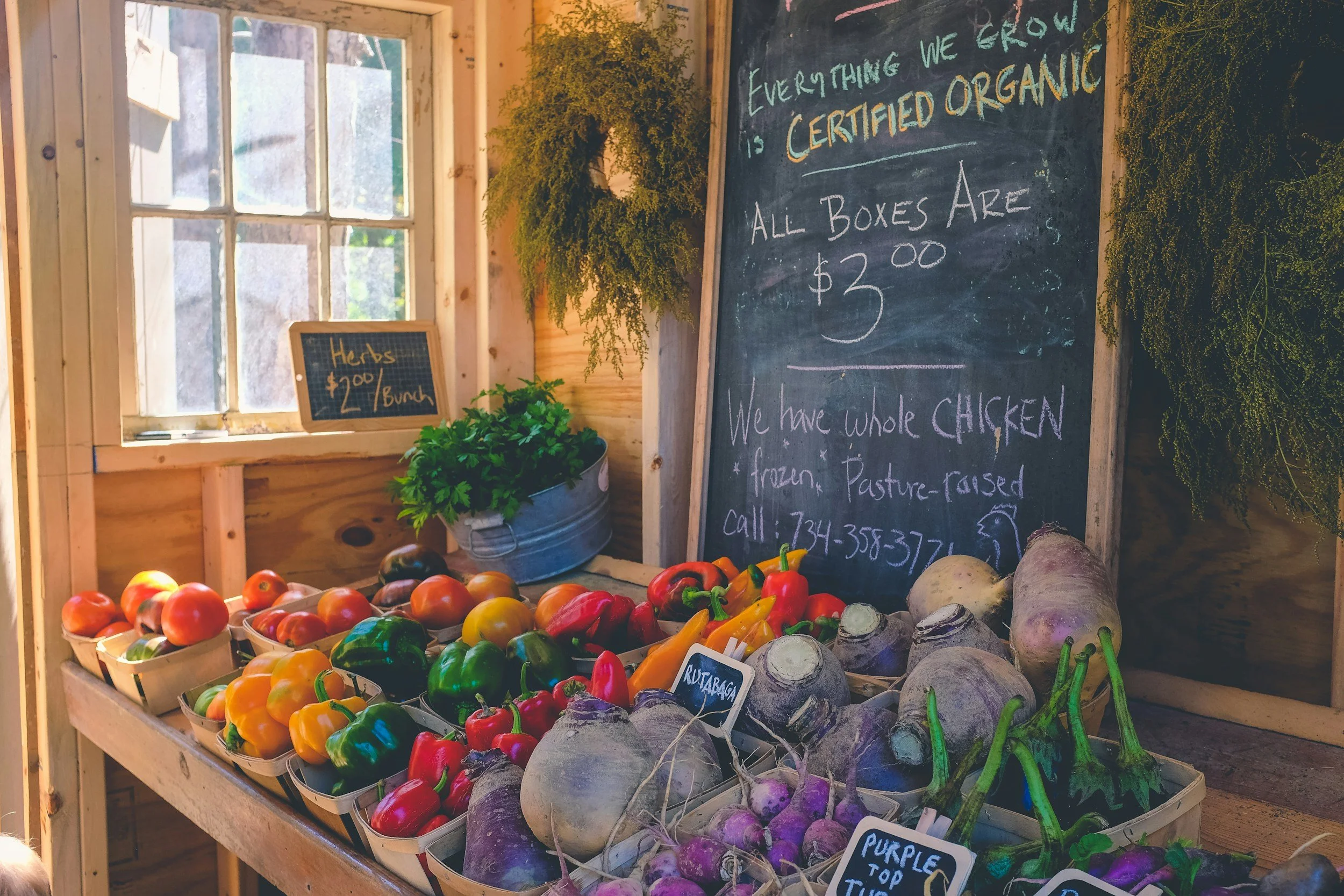
Photo by Kenny Eliason on Unsplash
I love a good Farmers’ Market, and I know I’m not alone in the sentiment. It’s one of the best ways to support local farmers and vendors.
Key Numbers:
Investment: $1,000 - $5,000
Annual Revenue: $10,000 - $30,000 (part-time)
Why It Works: Selling homemade or homegrown products at local farmers' markets provides direct access to customers with minimal overhead costs.
This can include items like jams, jellies, organic produce, and artisanal goods. I’ve even started seeing more prepared food being sold at farmers’ markets now - think food trucks and ice cream carts.
A Few Tips:
Create High-Quality Products: To really stand out (and charge a premium), focus on homemade or organic items.
Secure a Stall at Local Markets: Participate regularly to build a customer base.
Promote Your Products: Use local advertising and social media.
9. Catering Services
If you enjoy cooking at scale (and are good at it), consider setting up a catering business.
Key Numbers:
Investment: $5,000 - $20,000
Annual Revenue: $50,000 - $200,000
Why It Works:
Providing catering services for events, parties, and corporate functions can be highly lucrative. Exceptional service and delicious food will lead to repeat business and referrals.
A Few Tips:
Develop a Versatile Menu: You’ll need a diverse menu to cater to various tastes and dietary needs. Especially if you want to lock-in high-dollar events such as wedding and corporate events.
Network with Event Planners: Build relationships with local planners and venues.
Market Your Services: Use social media and word-of-mouth referrals.
10. Food Subscription Boxes

Photo by Taylor Vick on Unsplash
These boxes are so much fun! These boxes offer a unique and convenient way for customers to enjoy gourmet snacks, international foods, or specific diet plans delivered right to their doorsteps.
Key Numbers:
Investment: $5,000 - $20,000
Annual Revenue: $50,000 - $150,000
Why It Works:
Customers will pay for convenience and to try new and exotic things.
This model not only ensures recurring revenue but also taps into the growing trend of subscription services, which have become increasingly popular.
A Few Tips:
Identify a Niche: Choose a specific theme for your boxes, such as healthy snacks, vegan foods, or international cuisine. This helps target a dedicated customer base.
Build Supplier Relationships: Source high-quality ingredients or products from reliable suppliers to ensure consistency and quality in every box.
Create a Subscription Model: Develop a pricing strategy that includes various subscription plans (monthly, quarterly, annually) to cater to different customer preferences.
Real-World Example:
Try the World offers curated boxes of gourmet foods from different countries, providing customers with a culinary journey around the world.
They started small and have grown significantly by focusing on high-quality, authentic products.
The Final 5 Side Hustles: Let’s Get A Bit More Obscure

Photo by Andrey Metelev on Unsplash
For the final 5 food-related side hustles, I did a deep dive and found a few obscure (but profitable) businesses to consider.
11. Edible Cookie Dough
Yes, dreams do come true. You can finally eat cookie dough without someone telling you they’ll make you sick.
Key Numbers:
Investment: $1,000 - $5,000
Annual Revenue: $20,000 - $50,000
Why It Works:
The edible cookie dough market has grown rapidly due to the increasing demand for nostalgic, safe-to-eat raw dough.
It appeals to a wide audience and can be sold online, at local events, or through pop-up shops.
A Few Tips:
Develop Safe Recipes: This is important - don’t make your customers sick! Create egg-free and heat-treated flour recipes to ensure safety.
Packaging: Invest in appealing, safe packaging for both online and physical sales.
Marketing: Use social media platforms like Instagram to showcase your products. Collaborate with local events for pop-up sales.
Real-World Example:
I haven’t been here yet, but there’s a Cookie Dough Shop in NYC which operates similar to an ice cream shop. It’s known for its long lines so make sure to carve out enough time.
12. Candied Fruit
Candied fruit is gaining popularity as a trendy treat, especially when coated with nostalgic candies.
Key Numbers:
Investment: $500 - $2,000
Annual Revenue: $10,000 - $30,000 (seasonal)
Why It Works:
This product is perfect for fairs, farmers' markets, and online sales.
A Few Tips:
Experiment with Flavors: Use various fruits and coatings to create unique products.
Local Markets: Secure spots at farmers' markets and local events. It’s a great way to test out your product and talk with customers.
Online Presence: Create a website and use social media to promote your products.
13. Holiday Cookie Delivery
Who isn’t thinking about cookies during the holiday season? Plus, it’s cold outside, no one wants to venture out.
Key Numbers:
Investment: $500 - $3,000
Annual Revenue: $15,000 - $45,000 (seasonal)
Why It Works:
Capitalize on holiday cookie demand by delivering fresh cookies around town.
This business can cater to busy individuals looking for convenient, delicious gift options.
A Few Tips:
Seasonal Marketing: Create holiday-themed promotions and packages.
Efficient Delivery: If you can’t deliver everything yourself, partner with local delivery services for timely distribution.
Online Sales: Set up an e-commerce site for easy ordering and customization.
14. gourmet Pet Treats
The pet industry is booming, with pet owners willing to spend on high-quality, gourmet treats for their furry friends.
Key Numbers:
Investment: $1,000 - $5,000
Annual Revenue: $20,000 - $50,000
Why It Works:
This niche market can be highly profitable with the right marketing and product quality.
A Few Tips:
Develop Recipes: Create healthy, gourmet treats using quality ingredients. Especially true if you want to charge a premium.
Packaging: Invest in attractive and functional packaging.
Marketing: Use social media and pet influencers to reach a wider audience.
Real-World Example:
Three Dog Bakery started baking small batches in 1989 and has since grown to numerous locations and a robust online business.
15. Fake Wishbones
Thanksgiving anyone? Fake wishbones cater to vegans, vegetarians, and families looking to keep up the post-meal tradition.
Key Numbers:
Investment: $500 - $2,000
Annual Revenue: $10,000 - $25,000
Why It Works:
This unique product has low competition and can be marketed as a fun holiday item.
A Few Tips:
Product Development: Create durable and safe fake wishbones.
Holiday Marketing: Focus on Thanksgiving and holiday promotions.
Sales Channels: Use online platforms and holiday markets for sales.
Happy Hustling!
I hope the above food-related businesses inspire you to start a new side hustle this year.
With some initial investment and strategic planning, you can turn these ideas into profitable ventures.
Each offer an excellent opportunity to earn some extra income while still crushing it at your 9-5.
Plus, you’ll hopefully have more fun as it’s food-related.
If you found this content helpful, please consider checking out our newsletter. We provide tips on ways to make and save more money, all while raising a family.
Frequently Asked Questions About Food Side Hustles
What is the easiest food side hustle to start?
The easiest food side hustles to start are those with the lowest upfront cost and no commercial kitchen requirement. Candied fruit, holiday cookie delivery, and fake wishbones can all be started for under $3,000 and sold at local events, farmers markets, or online. Home-based bakeries are also beginner-friendly in most states thanks to cottage food laws that allow certain baked goods to be made and sold from your home kitchen.
Do I need a license to sell food from home?
It depends on your state and county. Most states have cottage food laws that allow home cooks to sell certain non-perishable items like baked goods, jams, and candies without a commercial kitchen license. However rules vary widely — some states cap annual sales, others require labeling, and some products like meat or dairy require a licensed facility. Always check your local health department regulations before selling food from home.
How much can you make from a food side hustle?
It varies widely depending on the hustle and how much time you put in. Lower-investment options like farmers market vending or holiday cookie delivery can earn $10,000 to $45,000 per year part-time. Mid-tier hustles like catering or cooking classes can generate $50,000 to $200,000 annually once established. Higher-investment ventures like food trucks and meal kits have the largest revenue potential at $100,000 to $500,000 but require more capital and commitment upfront.
Can I start a food side hustle without cooking experience?
Yes — many successful food side hustles are built by home cooks and food enthusiasts rather than trained chefs. You can learn as you go, especially at small scale. Hustles like food subscription boxes, farmers market vending, and holiday cookie delivery are very approachable for beginners. That said, if you plan to charge premium prices or handle large events like catering, investing time in improving your skills will directly impact your earnings and reputation.
What food side hustles work best for parents?
The best food side hustles for parents are ones that fit around school schedules and family commitments. Home-based bakeries, farmers market vending, holiday cookie delivery, and personal chef services all offer flexible hours you control. Cooking classes are also great since you set the schedule. Avoid high-commitment options like food trucks or catering for large events until you have more bandwidth — those require significant time and coordination that can be difficult to manage with young kids.
Are food side hustles family friendly?
Many are. Home-based options like baking, jam making, and cookie delivery can involve the whole family and double as quality time. Kids can help with simple tasks like packaging, labeling, or decorating. Farmers market vending is also a great family activity. The key is choosing a hustle where the work happens on your schedule rather than requiring you to be away from home during evenings or weekends.