

How Much Can You Make Donating Plasma? Pay Per Visit, Monthly Income, and What to Expect
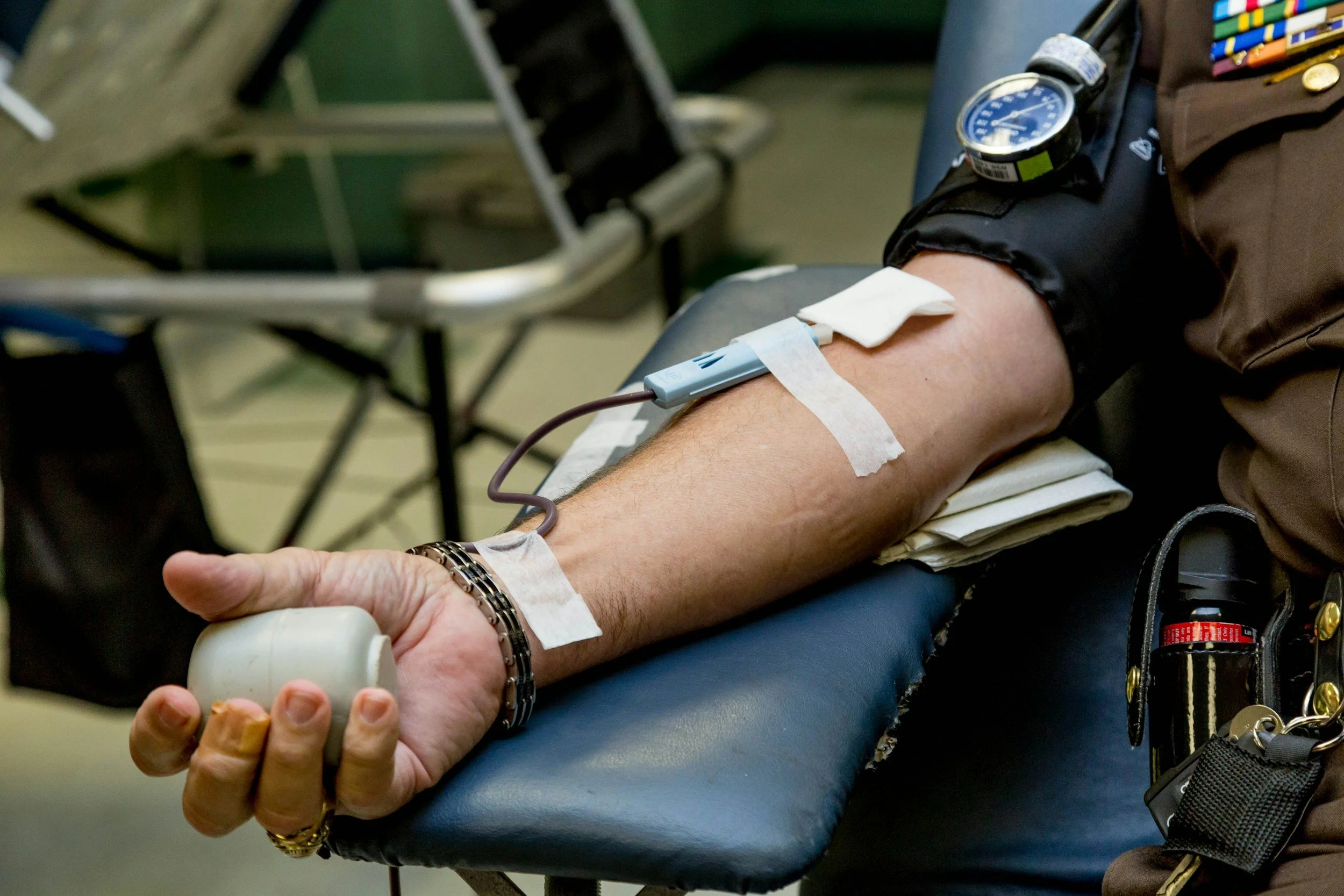
Photo by LuAnn Hunt
If you’re looking for a straightforward way to earn extra money, donating plasma often comes up as an option.
It’s legal, regulated, and widely available. But the real question most people have is simple:
How much can you actually make donating plasma?
The answer depends on where you donate, how often you go, and whether you’re eligible for first-time donor bonuses.
For most people, plasma donation won’t replace a job or turn into a long-term income stream, but it can provide consistent short-term cash in the right situation.
This article breaks down what plasma donation pays per visit, what monthly income typically looks like, how bonuses work, and what to know before deciding if it’s worth your time.
The goal is to give you clear expectations so you can decide whether donating plasma makes sense for you right now.
How Plasma Donation Pay Actually Works
Plasma donation pay is fairly simple once you understand the structure.
You’re not paid an hourly wage, and you’re not paid for the plasma itself. You’re compensated for your time and participation in the donation process at a licensed plasma center.
Here’s what that typically looks like:
You donate at an FDA-regulated plasma center
The process usually takes 60–90 minutes once you’re established
You’re paid per visit, often on a prepaid debit card
Most centers allow donations up to twice per week, with at least 48 hours between visits
Those frequency limits are set by the FDA, and they’re the same nationwide.
Where things start to vary is how much each visit pays.
Base pay vs bonuses
Most plasma centers use a two-part system:
Base pay for each donation
Bonuses or incentives layered on top
Base pay is what you can expect long term. Bonuses are usually tied to:
First-time donor programs
Completing a certain number of donations in a set period
Donating consistently each week
That’s why you’ll often see higher advertised numbers for “new donors.” They’re real, but they don’t last forever.
Why pay varies so much by person and location
Two people can donate at different centers and earn very different amounts.
Common factors that affect pay include:
Location (higher demand areas often pay more)
Plasma center competition (more centers nearby = higher incentives)
Body weight tiers (larger donors may earn slightly more)
Consistency (missing appointments can reduce bonuses)
This is also why you’ll see such a wide range online when people talk about plasma donation income. They’re not all operating under the same conditions.
What doesn’t affect pay
A few things people assume matter, but usually don’t:
Your job or income level
Your blood type (in most cases)
How long you’ve been donating, once bonuses end
Once you’re past the promotional phase, plasma donation becomes fairly predictable. Same visits, same limits, same general pay range.
Understanding this structure upfront makes it much easier to evaluate whether plasma donation fits into your life. It’s not mysterious or complicated, it’s just very specific.
How to Make Sure a Plasma Center Is FDA-Regulated
If you’re going to donate plasma, it’s reasonable to want confirmation that the center you’re visiting is legitimate and regulated.
In the U.S., plasma donation centers are overseen by the FDA. Legitimate centers are required to register as blood establishments and follow federal safety and donation-frequency rules.
The challenge is that this isn’t always obvious when you’re Googling local plasma centers or clicking through ads.
Here’s the simplest way to check.
Use the FDA’s Blood Establishment Search Tool
The FDA maintains a public database of registered blood and plasma establishments. You can search it by name or location to confirm that a plasma center is properly registered.
You can find it here:
https://www.fda.gov/vaccines-blood-biologics/biologics-establishment-registration/find-blood-establishment
How to use it:
Search by establishment name if you know the plasma center’s operator
Or search by city and state to see registered facilities near you
Look for the center listed as a registered blood establishment
If a plasma center appears in this database, it is registered with the FDA and subject to federal regulations.
What this means in practice
Most large national plasma center operators (like CSL Plasma, BioLife, Octapharma, and Grifols) operate FDA-registered facilities. But if you’re ever unsure about a location, the FDA database gives you a direct way to verify it yourself.
This matters because FDA-regulated centers are required to:
Follow donor safety protocols
Limit donation frequency (including the 48-hour rule)
Conduct health screenings and eligibility checks
If a location isn’t listed, that’s a red flag worth paying attention to.
How Much Can You Make Donating Plasma Per Month?
Once plasma donation becomes part of a routine, monthly income is what really matters.
Most FDA-regulated plasma centers allow donations up to twice per week, which means most consistent donors donate 6–8 times per month.
From there, monthly earnings tend to fall into a few common ranges.
Typical monthly plasma donation income
For most donors, monthly earnings look like this:
Occasional donor: $150–$300 per month
Consistent donor (2x per week): $300–$500 per month
First month with bonuses: $600–$900+
Those higher first-month numbers are driven by new-donor promotions, not ongoing pay.
Once bonuses expire, income usually settles into the $300–$500 range for people who donate consistently.
Why monthly income is more predictable than per-visit pay
Plasma donation is capped by design. You can’t donate every day, and you can’t scale hours the way you can with other side hustles.
That limitation actually makes income easier to forecast.
If you know:
How often you can realistically donate
What your center pays per visit
Whether bonuses apply
You can estimate monthly income fairly accurately.
For example:
8 donations per month at $50 per visit → $400/month
6 donations per month at $60 per visit → $360/month
There’s not much mystery once the routine is established.
Where plasma donation fits best financially
For most people, plasma donation makes the most sense when it’s tied to something concrete.
It might cover groceries for the month, help offset a utility bill, or add a bit of breathing room during a tight season.
Because donations are capped and pay is fairly consistent, it’s easier to plan around than many other short-term income options.
Plasma donation isn’t designed to grow with you over time. But when the goal is short-term cash with clear boundaries, it can be a practical option to consider.
First-Time Donor Bonuses (and Why the First Month Pays More)
If you’ve seen ads claiming you can make several hundred dollars donating plasma in your first month, that part is real.
It’s just important to understand why it happens and what changes afterward.
Most plasma centers offer first-time donor bonuses to encourage people to complete multiple donations early on. These bonuses are layered on top of standard per-visit pay and are usually time-bound.
How first-time bonuses typically work
While the exact structure varies by center and location, most follow a similar pattern:
Higher payouts for your first several donations
Bonuses tied to donating twice per week
A requirement to complete all visits within a set timeframe
For example, a center might advertise a total first-month payout of $700–$900 if you complete 6–8 donations within your first 30 days.
Miss a visit, space them out too far, or fail eligibility screening, and the bonus usually drops or disappears.
Why plasma centers do this
Plasma donation centers rely on consistent donors, not one-time visits. The bonus structure encourages new donors to learn the process, build a routine, and stick around long enough to become repeat donors
Once you’re past that initial period, pay typically returns to the center’s standard per-visit rates.
What to plan for after bonuses end
This is where expectations matter.
Many people feel disappointed when their pay drops after the first month. Not because anything changed, but because the promotional phase ended.
A more realistic way to think about bonuses is:
A temporary boost, not a permanent income level
Useful for jumpstarting cash flow
Not something to rely on long term
If you’re planning around plasma donation income, it’s smart to base your expectations on post-bonus pay, not the promotional total.
What Affects How Much You Can Earn Donating Plasma
Once you get past the basics of how plasma donation pay works, earnings usually come down to a handful of practical factors.
None of these are complicated, but together they explain why two people can have very different experiences donating plasma.
Location and local demand
Where you donate matters more than most people expect.
Plasma centers in higher-demand areas or regions with fewer donors often pay more. Centers in competitive markets may also offer stronger bonuses or higher base pay to attract and retain donors.
This is why someone in one city might earn noticeably more per visit than someone donating the same amount of time elsewhere.
The plasma center you choose
Not all centers structure pay the same way.
Some centers:
Pay more per visit but offer fewer bonuses
Offer aggressive first-time bonuses but lower long-term pay
Reward consistency more heavily than occasional donations
If you have multiple FDA-regulated centers nearby, it’s worth comparing their pay structures and bonus terms before committing.
Weight tiers and donation volume
Plasma donation amounts are partly based on body weight, which affects how much plasma can be safely collected per visit.
In practice, this means:
Donors above certain weight thresholds may earn slightly more per donation
Donors at lower weight tiers may be paid toward the lower end of the range
This isn’t something you can (or should) try to manipulate. It’s simply how donation volume is determined.
Consistency and appointment adherence
Plasma centers are designed around repeat donors.
People who:
Donate regularly
Keep appointments
Meet eligibility requirements consistently
tend to earn more over time than those who donate sporadically.
Missed appointments, late arrivals, or frequent deferrals can reduce bonuses or reset pay tiers at some centers.
Health and eligibility factors
Eligibility plays a bigger role in earnings than many people realize.
Hydration, iron levels, and overall health can affect:
Whether you’re cleared to donate
How often you’re deferred
Whether you’re able to maintain a consistent schedule
Even short deferrals can disrupt bonuses or reduce monthly income.
Time availability and recovery
Plasma donation isn’t just about the time spent in the chair.
You also need:
Time to travel to and from the center
Flexibility to recover between visits
Energy to donate consistently
For some people, donating twice a week fits easily into their routine. For others, it feels draining or disruptive, which limits how often they can go.
The Real Answer to “How Much Can You Make Donating Plasma?”
For most people, donating plasma falls into a very specific category of side income.
It’s legitimate.
It’s regulated.
And it can provide steady, short-term cash.
But it’s also capped by design.
You can’t donate every day, and income doesn’t grow over time the way other side hustles might. Once bonuses end, earnings usually settle into a predictable range.
That’s not a bad thing as long as expectations are clear.
Plasma donation tends to work best when it’s tied to a specific goal: covering groceries, easing a tight month, or creating a bit of breathing room during a transition.
When used intentionally, it can be a helpful tool. When relied on as a long-term income plan, it often falls short.
The key is understanding what plasma donation is offering (and what it isn’t) before you commit your time and energy to it.
FAQ: How Much Can You Make Donating Plasma?
-
Most donors earn $30–$70 per visit at FDA-regulated plasma centers.
Pay varies by location, center, and eligibility.
-
For consistent donors, monthly earnings typically fall between $300 and $500.
First-time donors may earn more in their first month due to promotional bonuses.
-
Many plasma centers offer new-donor bonuses to encourage consistency early on.
These bonuses are temporary and usually require completing multiple donations within a set timeframe.
-
In the U.S., donors can donate plasma up to twice per week, with at least 48 hours between donations, at FDA-regulated centers.
-
Plasma donation is regulated by the FDA and generally considered safe for eligible donors.
Some people experience mild side effects like fatigue or dehydration, which can often be managed with proper hydration and rest.
-
Yes. Money earned from donating plasma is considered taxable income.
Even if you don’t receive a tax form, you’re responsible for reporting it.
-
You can verify plasma centers using the FDA’s Blood Establishment Registration search tool.
-
For most people, no. Plasma donation income is limited by donation frequency and time requirements.
It’s best viewed as supplemental income, not a primary source of earnings.
-
It depends on your situation. Plasma donation can be worthwhile for short-term cash needs or predictable supplemental income.
It’s less effective as a long-term or scalable way to make money.